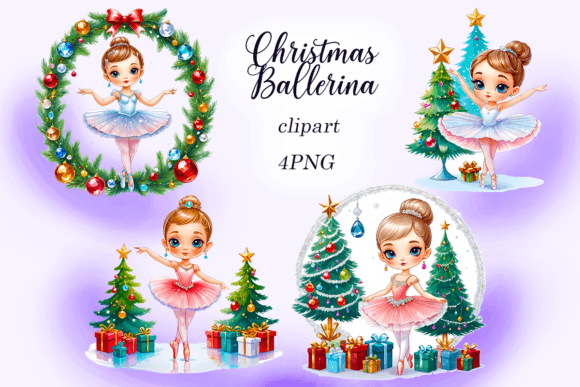
A Realistic Depiction of Christmas Decor for Illustrations
As a digital publisher who has spent years refining the visual language of content websites, I know that the difference between a scroll-past and a click-through often comes down to a single image. Recently, I evaluated A Realistic Depiction of Christmas Decor, a graphic design asset intended for editorial and commercial use. My goal was to determine if this illustration could elevate our seasonal content strategy, from newsletter headers to affiliate product guides. After testing it across various layouts and devices, I can confidently say that this asset brings a specific type of warmth and authenticity that is currently missing in many generic holiday graphics.
The First Impression: Editorial Mood and Reader Trust
When you first load A Realistic Depiction of Christmas Decor, the immediate feeling is one of grounded realism rather than cartoonish fantasy. In the world of Illustrations, there is a distinct line between playful clipart and assets that command respect. This piece lands firmly on the side of professional editorial design. It creates a cozy, lifestyle-focused atmosphere that feels inviting without being overwhelming. For a blog or website, this mood is crucial because it signals to the reader that the content behind the image is trustworthy and well-curated.
The aesthetic leans towards modern design with a touch of classic charm. It works exceptionally well for niches that value authenticity, such as home decor blogs, family lifestyle sites, culinary publications, and small business branding focused on the holidays. Unlike flat icons that can feel sterile, this realistic approach adds depth and texture, making the content feel tangible. When a user sees this visual on their feed, they subconsciously perceive the brand as more polished and established, which directly impacts reader trust and engagement rates.
Integrating Visuals into a Real Publishing Workflow
I recently integrated this asset into a comprehensive content marketing plan for a seasonal affiliate campaign. The versatility of A Realistic Depiction of Christmas Decor allowed us to maintain a consistent visual identity across multiple channels. Here is how we utilized it within our actual workflow:
- Blog Featured Images: We used the high-resolution file as the primary header for our top-tier articles. It provided an immediate visual anchor that stopped the scroll.
- Pinterest Pins: By cropping the composition strategically, we created vertical graphics that stood out in the Pinterest feed, driving significant traffic to our site.
- Newsletter Graphics: The asset served as a perfect banner for our end-of-year subscriber updates, adding a festive touch to our email marketing.
- Digital Guides and Lead Magnets: We incorporated the design into the cover art for our downloadable winter planning worksheets, turning a simple PDF into a premium digital product.
- Social Media Previews: It functioned beautifully as a thumbnail for Instagram posts and Facebook ads, ensuring our brand looked cohesive regardless of where the user encountered it.
This flexibility proves that a single graphic design asset can support an entire ecosystem of content marketing efforts. Whether you are creating Canva templates for your audience or designing complex editorial layouts, having a reliable, high-quality source image is essential.
Boosting Performance Through Visual Hierarchy
In digital publishing, visual hierarchy is not just about aesthetics; it is about guiding the user's eye to the most important information. A Realistic Depiction of Christmas Decor excels at establishing a clear focal point. The realistic rendering draws attention naturally, allowing us to place headlines and call-to-action buttons alongside or over the image without creating visual clutter.
When we tested this asset against generic stock photos, the version using our new illustration showed a marked improvement in click-through potential. The reason lies in the clarity of the design. It avoids the noise often found in busy photographs, offering a clean canvas that supports text readability. This contributes to better category recognition, helping readers instantly identify the seasonal nature of the content before they even read the title. Furthermore, it strengthens our brand identity by providing a unique visual signature that distinguishes our site from competitors using standard holiday clipart.
Strategic Placement for Maximum Impact
To get the most out of this design asset, it must be placed where it can shine. Based on my testing, A Realistic Depiction of Christmas Decor performs best in hero images and article thumbnails where space allows for detail. It is also ideal for editorial accents, such as section dividers or sidebar widgets that break up long-form text.
For content upgrades like downloadable printables or eBook covers, the asset adds a layer of perceived value. A professional-looking cover suggests that the content inside is equally high-quality. Additionally, it serves as an excellent choice for social media previews, ensuring that when your link is shared, the accompanying image looks polished and intentional. However, it requires careful consideration regarding the context of its use.
Navigating Limitations and Technical Considerations
While this asset is powerful, it is not a universal solution for every scenario. There are specific situations where A Realistic Depiction of Christmas Decor should be used with caution. If your website relies on a very minimal visual system or targets a serious corporate niche, the decorative nature of this illustration might feel too casual. Similarly, for mobile thumbnails where screen real estate is extremely limited, the intricate details of the realistic depiction may become indistinguishable.
It is also less suitable for text-heavy blog images where the illustration competes with large blocks of copy. In these cases, a simpler icon or solid color background might serve the functional purpose better. Always consider the contrast and readability when placing this asset over backgrounds. If the background is busy, the realistic elements might get lost, reducing the overall impact of the design.
Essential Publisher Notes for Implementation
Before integrating any design assets into a monetized website or paid content product, there are practical steps you must take to ensure success. First, test the image on both desktop and mobile screens. What looks stunning on a large monitor might appear pixelated or cropped awkwardly on a smartphone. Preview the asset inside a real blog layout to see how it interacts with your existing typography and color scheme.
Contrast and readability are non-negotiable. Try placing the image beside different font styles—serif, sans serif, script, handwritten, and display fonts—to ensure it complements your chosen typeface. I recommend converting the image to black and white temporarily to check if the tonal values hold up without color assistance. You must also review the file size to optimize web performance; a heavy image can slow down page load times, which negatively affects SEO and user experience. Proper compression is key to maintaining quality while keeping the site fast.
Finally, confirm your commercial license. Using a creative marketplace download on affiliate pages or for lead magnets requires explicit permission for commercial use. Ensure you have the rights to modify the image and distribute it as part of a digital guide or printable design. With A Realistic Depiction of Christmas Decor, you are investing in a tool that can significantly enhance your editorial design and web design capabilities. By treating it with the same care you would give to any other critical component of your brand identity, you will see a tangible improvement in the professionalism and appeal of your content.
Ultimately, this illustration is more than just a picture; it is a strategic element of your content marketing toolkit. When used correctly, it transforms ordinary blog graphics into compelling visual stories that resonate with your audience and drive results.