Review: Watercolor Mouse Christmas Clipart for Embroidery
As a designer who spends half my day digitizing files and the other half troubleshooting stitch errors, I have learned to be skeptical of digital clipart. The gap between a screen-rendered image and a stitched textile is vast. Colors shift, fine lines disappear into fabric texture, and "cute" can quickly turn into "muddy" if the design isn't translated correctly. This is why I approach every new asset with a critical eye. Recently, I pulled Watercolor Mouse Christmas Clipart from the Illustrations category to test its viability for real-world projects. I wanted to see if this digital asset could survive the transition from pixel to thread without losing its charm or structural integrity.
The First Impression: Mood and Visual Personality
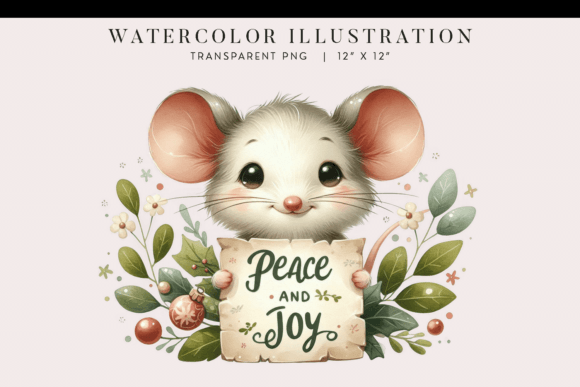
When you first open the file, the immediate takeaway is the softness of the palette. Unlike the harsh, flat colors often found in vector-based clipart, this design carries the organic bleed and gradient shifts characteristic of watercolor painting. For an embroidery project, this is both a blessing and a challenge. The mood is undeniably cozy, nostalgic, and festive. It evokes the feeling of a quiet winter morning or a handmade gift wrapped in brown paper and twine.
The visual personality of the mouse is gentle rather than cartoonish. It feels suitable for high-end boutique items rather than mass-market novelty goods. If you are building a brand around rustic, farmhouse, or artisanal aesthetics, this design fits naturally into that ecosystem. It has a distinct editorial quality that suggests it belongs on a curated Etsy listing or a premium holiday collection. However, designers must remember that while the digital version shows delicate washes of color, embroidery machines rely on solid blocks of thread. The success of this project will depend entirely on how well those watercolor gradients are approximated using available thread colors.
Real-World Application: Where This Design Shines
I put this machine embroidery design through several stress tests to determine its best use cases. My primary focus was on holiday-themed merchandise, specifically items that require a touch of elegance rather than loud graphics.
Tote Bags and Canvas Goods
This is perhaps the strongest candidate for this design. A natural linen or heavy cotton canvas tote bag provides the perfect stable surface for the details in the mouse illustration. When stitched onto a tote, the watercolor effect translates well because the fabric texture helps break up any potential stiffness in the fill stitches. It works beautifully as a central chest placement or even as a repeated pattern along the side seams. For an Etsy seller, this makes for a highly marketable personalized gift option, especially when paired with simple monogramming nearby.
Baby Items and Nursery Decor
The softness of the watercolor style makes it exceptionally safe for baby products. There is nothing aggressive about the imagery. I envision this working wonderfully on a muslin swaddle, a baby hoodie, or a felted wool bootie. The key here is scale. On a tiny item like a onesie, the design needs to be scaled down carefully to ensure the mouse’s features remain recognizable. In a nursery setting, such as on a pillow cover or a wall hanging, the larger scale allows the viewer to appreciate the subtle color transitions, creating a calming atmosphere.
Holiday Apparel and Accessories
For sweatshirt embroidery, this design offers a sophisticated alternative to traditional Santa or reindeer motifs. It appeals to adults who want to participate in the holiday spirit without looking childish. Imagine this stitched in cream and gold threads on a charcoal grey crewneck. The contrast would be striking yet refined. It also works well on beanies and scarves, where the texture of the knit fabric complements the artistic nature of the source image.
Technical Challenges and Risk Areas
No design is perfect, and Watercolor Mouse Christmas Clipart comes with specific technical hurdles that embroiderers must manage. The most significant risk lies in the detail level. Watercolor art often relies on very fine lines and subtle shading. In embroidery, these can easily get lost.
Fabric Texture and Stability
If you attempt to stitch this on a highly textured fabric, such as a chunky bouclé wool or a rough burlap, the fine details of the mouse may become obscured. The thread might not lay flat, causing the design to look distorted. Similarly, stretchy fabrics like jersey knits require careful stabilization. Without proper hooping and stabilizer support, the tension changes can cause the watercolor-like fills to pucker, ruining the smooth aesthetic.
Small Hoop Sizes
One area where this design should be used carefully is in small hoop sizes. If you are trying to fit this into a 4x4 inch hoop or smaller, you risk losing definition. The eyes, whiskers, and any decorative elements like a scarf or hat brim may merge into indistinguishable blobs of color. I recommend keeping the finished size large enough to maintain clarity. If the design includes tiny lettering or intricate lace-like details, test it extensively before committing to a final product.
Thread Color Contrast
The watercolor effect depends on light-on-light or dark-on-dark harmony. If you choose thread colors that clash or lack sufficient contrast against your base fabric, the design will vanish. For example, stitching a pale blue mouse on white fabric will result in a ghostly, low-visibility image. You need to select thread shades that mimic the depth of the original watercolor while ensuring they stand out against the material. Always check your thread colors under natural lighting before starting the machine.
Practical Designer Notes for Execution
To ensure the best outcome when using this embroidery file, follow these practical steps:
- Test on Scrap Fabric: Never cut into your final garment without testing. Stitch the design on a scrap piece of the same fabric type to check for puckering, thread breaks, and color accuracy.
- Review Stitch Density: High-density areas can make the fabric stiff and uncomfortable, especially on baby clothes or apparel worn next to the skin. Check if the digitizer has optimized the fill stitches to allow for breathability and drape.
- Inspect Small Details: Zoom in on the digital preview. Are there any isolated pixels or thin lines that cannot be represented by satin or running stitches? These may need to be simplified or removed during the digitizing process.
- Check Licensing: Before selling finished items, confirm the commercial usage rights. Some digital assets allow personal use only, or require a specific license for physical goods. Violating these terms can lead to legal issues for your craft business.
- Use Proper Stabilizer: Depending on your fabric, you may need tear-away, cut-away, or wash-away stabilizer. Using the wrong type can lead to residue left on the back of your garment or instability during stitching.
Final Verdict: Value and Professional Appeal
Does Watercolor Mouse Christmas Clipart earn a spot in your design library? Yes, but with conditions. It is not a plug-and-play solution for every project. It requires thoughtful execution, appropriate fabric selection, and careful attention to detail. However, when done right, the payoff is significant. The design elevates the perceived value of the finished product. Customers are willing to pay more for items that look handcrafted and artistically rendered rather than mechanically stamped.
For the small shop owner or creative entrepreneur, this asset offers a unique angle in a saturated holiday market. It bridges the gap between digital artistry and tactile craftsmanship. By treating the design with respect—choosing the right threads, fabrics, and hoop sizes—you can create a finished product that resonates with buyers seeking quality and warmth. It is a versatile tool for commercial embroidery, provided you stay mindful of its limitations regarding detail and scale.
In summary, this is a strong contender for anyone looking to add a touch of whimsical elegance to their holiday lineup. It rewards patience and skill, offering a beautiful result that stands out on shelves and in online listings alike. Just remember: the magic happens in the stitching, not just the software.